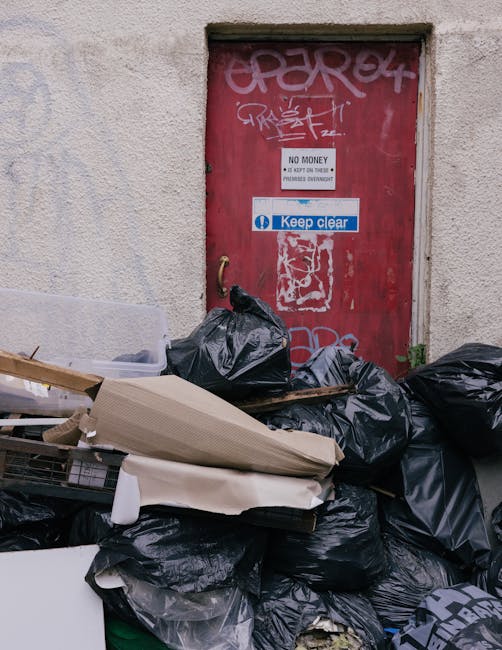
Avoid hidden rubbish removal charges in Plaistow what to know

If you are trying to avoid hidden rubbish removal charges in Plaistow, you are probably not just looking for a cheap price. You want the real price. The one that shows up at the end without awkward surprises, mystery add-ons, or a van driver shrugging at the kerb. Fair enough. In rubbish removal, the quote can look tidy on the page and then grow legs once the job begins.
This guide walks through what hidden charges usually look like, how to spot them early, what a proper quote should include, and how to compare providers without getting caught out. It also covers local expectations in Plaistow and practical ways to keep the job simple, honest, and good value.
Quick version: ask sharper questions, read the small print, and make sure the company can explain exactly what you are paying for. That alone saves a lot of grief.
Why Avoid hidden rubbish removal charges in Plaistow what to know Matters
Hidden charges are annoying anywhere. In Plaistow, they can be especially frustrating because a lot of clear-outs happen under time pressure: end of tenancy, last-minute landlord requests, office moves, bulky garden waste, flat clearances, or a family job that somehow became a whole weekend. You ring around, someone gives a "starting from" figure, and the next thing you know the final invoice has grown extra lines you never properly agreed to.
That matters for three simple reasons. First, it affects your budget. Second, it affects trust. Third, it affects whether the job gets finished cleanly and quickly or turns into a back-and-forth about what counts as "extra". Nobody wants that, especially when there are bags by the door and the lift is already busy.
Local rubbish removal should feel straightforward. If a company is transparent, you should know how the price is calculated, what materials are accepted, whether labour is included, and what happens if the load is larger than expected. If those answers are fuzzy, the quote may be fuzzy too.
Expert summary: the best way to avoid hidden rubbish removal charges in Plaistow is to treat the quote like a checklist, not a headline. Ask what is included, what is excluded, and what changes the price.
To be fair, most problems are preventable. A bit of clarity at the beginning saves a very awkward conversation later. And that conversation, in a cold driveway at 7:30 a.m., is never fun.
How Avoid hidden rubbish removal charges in Plaistow what to know Works
Rubbish removal pricing usually depends on some mix of volume, weight, labour, access, item type, and disposal method. The tricky part is that one provider may present all of that clearly, while another hides important parts in terms and conditions or explains them only after the job has started.
Here is how the process should work when it is done properly:
- You describe the waste honestly. Photos help. So does being specific: sofa, mattress, builder's rubble, broken wardrobe, bags of household waste, or mixed junk from a garage.
- The company estimates the load. Good providers will ask questions about access, stairs, parking, and whether anything is unusually heavy or awkward.
- The quote explains what is included. That usually means loading, transport, disposal, and any standard labour that the job needs.
- Any possible extras are flagged in advance. For example, difficult access, hazardous items, heavy construction waste, or additional trips.
- The collection happens, then the price is confirmed. A reliable company should not suddenly invent a new charge because the job took 10 minutes longer than they expected.
That sounds simple, and it should be. But hidden charges often appear when one of those steps is skipped or kept vague. A price can be quoted per load, per item, per tonne, or by time on site. None of those are automatically bad. The issue is whether you understand the method before anyone turns up.
If you are booking for a shop, a flat, or a house with awkward access, it is worth checking details early. A tight stairwell in a Plaistow block, or a parking restriction outside a busy road, can affect timing and cost. Not always dramatically, but enough to matter.
Key Benefits and Practical Advantages
Knowing how to avoid hidden rubbish removal charges in Plaistow does more than protect your wallet. It changes the whole experience.
- Clear budgeting: you can plan the total cost rather than guessing and hoping.
- Less stress: fewer surprises means fewer last-minute calls and less back-and-forth.
- Faster decision-making: when quotes are comparable, choosing a provider gets much easier.
- Better service quality: transparent companies often have better processes generally. Not always, but usually.
- Reduced dispute risk: if the scope is agreed in writing, there is less room for disagreement.
- Better value, not just lower price: the cheapest quote is not always the cheapest job once extras are added.
There is also a quieter benefit: confidence. You know what you are approving. That may sound small, but when you are clearing a room full of old furniture or a pile of mixed waste after a stressful week, confidence is worth a lot.
Some people focus only on the headline figure. That is understandable. But in practice, a clear quote with no nasty add-ons usually beats a slightly cheaper quote that mutates halfway through the job. Truth be told, people rarely regret paying for clarity. They do regret being "caught out".
If your job involves bulky household items, it can help to compare specific services such as furniture disposal or house clearance rather than assuming every type of waste is priced the same way.
Who This Is For and When It Makes Sense
This topic matters to anyone arranging waste clearance in Plaistow, but it is especially useful if you are:
- moving out of a flat and need a fast clear-out
- dealing with a landlord or letting agent deadline
- clearing a loft, garage, or spare room
- disposing of bulky furniture or appliances
- managing builders' debris after a small renovation
- running a local business with regular waste removal needs
- helping a relative sort through accumulated items
It also makes sense when the job is not huge enough for a skip, but still too much for a few car trips to be pleasant. That middle ground is where hidden charges often appear, because quotes can seem flexible when the load is hard to estimate.
A Plaistow shop owner clearing packaging after a refit, for instance, may think they only need a basic collection. But if there are stairs, back-access complications, or mixed waste, the final cost can change. Same with a flat resident who says "just a few bags" and then remembers the broken chair, the mattress, and the old TV. Happens all the time.
If you are planning a larger domestic clear-out, browsing services like home clearance, flat clearance, or loft clearance can help you judge which type of job fits your situation best.
Step-by-Step Guidance
Here is a practical way to reduce the risk of hidden charges before you book anything.
1. List exactly what needs removing
Write down the items or waste types instead of saying "general rubbish". The more specific you are, the better. A sofa is not the same as mixed household waste. Builders' rubble is not the same as cardboard. One missed detail can affect labour, disposal fees, or vehicle space.
2. Take clear photos from different angles
Photos do a lot of heavy lifting. They help a company judge the volume, access, and loading time. Include staircases, hallways, door widths, or any awkward corners. If there is a narrow path, a locked gate, or limited parking, show that too. It saves everyone guessing.
3. Ask what the quote includes
This is the big one. Does the quote include loading? Disposal? Labour? Congestion or parking considerations? Is there a minimum charge? Are heavy items priced differently? If the answer feels slippery, that is your sign to slow down.
4. Ask what counts as an extra
Extras should not be a mystery. Common examples include hazardous waste, unusually heavy materials, additional labour for difficult access, or a larger load than first described. A proper provider should explain these before arrival.
5. Get the price in writing
Email, booking confirmation, message, or online quote summary - just get it written down. A verbal estimate is easy to forget, or reinterpret, and nobody benefits from memory games.
6. Check timing and collection window
If you need same-day service, or a narrow time slot, ask whether that affects the price. Sometimes it will. Sometimes it should. Same-day jobs can be more complex, especially if access is tight or the team is fitting you in around other collections.
7. Confirm payment terms before the team arrives
Ask when payment is taken and which methods are accepted. If a company expects payment only after the job is complete, make sure you know that. If a deposit is required, understand the reason and the conditions. Clear payment terms reduce surprises and help you stay in control.
A sensible extra step? Keep the original quote saved on your phone. It takes ten seconds and can save you a lot of faffing around if there is any disagreement.
Expert Tips for Better Results
There are a few habits that make a noticeable difference, and they are easy enough to adopt.
- Describe access as carefully as waste. Two flights of stairs, no lift, narrow parking, or rear entry only can all affect the job.
- Separate special items early. Fridges, mattresses, confidential documents, and potentially hazardous waste may need different handling.
- Group your waste logically. If you can, keep reusable items, recyclable materials, and mixed rubbish apart. It helps the provider assess the work more accurately.
- Ask whether loading time matters. Some quotes are based on speed and labour, not just volume.
- Look for plain English, not just a cheap number. A clear explanation often signals a better experience than a headline discount.
One useful trick is to say, "Please quote for the job as seen in the photos, and tell me what could change the price." That wording nudges the provider to be precise. Simple, but effective.
If the waste includes appliances, check specific handling pages such as fridge and appliance removal rather than assuming a fridge can be treated like a bag of household clutter. It usually cannot. And if you are dealing with broken furniture, the page on mattress and sofa disposal can also help set expectations.
Another practical point: if the provider offers online booking, use it carefully. Online forms are useful, but only if you fill them in properly. A rushed form with vague answers can produce a quote that looks neat and then falls apart at collection time. Happens more often than people think.
Common Mistakes to Avoid
Most hidden-charge problems come from the same handful of mistakes. Avoid these and you are already ahead.
- Choosing the cheapest quote without checking the scope. Low starting prices can hide tight conditions.
- Underestimating how much waste there is. A pile in the corner is often bigger than it looks. The eye is a liar when there is clutter involved.
- Forgetting about access issues. Stairs, parking, and distance from the van matter.
- Not mentioning heavy or awkward items. Items like rubble, old gym equipment, and large appliances can affect pricing.
- Assuming "all inclusive" means everything. Ask what "all inclusive" actually covers.
- Ignoring disposal categories. Mixed waste, recyclables, and special waste are not always priced the same way.
- Not checking the company's policies. If there is a complaints process or service policy, read it before booking.
A very common one in busy homes is the "just one extra item" problem. One extra wardrobe. One extra mattress. One extra sack of rubble. And then suddenly the quote changes. If you are honest about the full load from the start, you save yourself the mild drama later. Which, let's be honest, nobody needs on a Tuesday.
Tools, Resources and Recommendations
You do not need fancy tools to avoid hidden rubbish removal charges in Plaistow. What you need is a decent process. Still, a few practical tools help.
- Phone camera: take clear, well-lit pictures of everything to be removed.
- Notes app or checklist: keep a written list of items, access details, and any special instructions.
- Message or email trail: use written communication whenever possible.
- Measurements: rough sizes for bulky items can stop misunderstandings.
- Booking page or pricing information: compare services carefully before committing.
It can also help to review pages that explain related jobs, such as waste removal, business waste removal, or builders waste clearance, because each type of waste tends to come with different pricing logic.
If sustainability matters to you, look for a provider that explains recycling and disposal routes clearly. The page on recycling and sustainability is a useful reference point for what responsible handling can look like. Not every item can be reused, of course, but a good operator should still think carefully about sorting and disposal.
For official-page style trust signals on a site, you may also notice policies like pricing and quotes, payment and security, and insurance and safety. Those pages are not just decoration. They tell you how seriously the provider takes clarity and risk.
Law, Compliance, Standards, or Best Practice
Rubbish removal is not just about lifting things into a van and moving on. There are compliance and best-practice issues that matter, especially when waste types vary or the job is commercial. The exact legal duties can depend on what is being removed, how it is handled, and whether the waste is household, commercial, or potentially hazardous.
As a customer, the safest approach is to use companies that explain their handling standards clearly and avoid vague promises. You should expect sensible care with transport, disposal, and segregation of different waste types. If a provider is dealing with items like electrical appliances, confidential documents, or materials that may be hazardous, ask how those items are managed and whether they are accepted at all.
That is where best practice becomes practical. You are not expected to know every detail of waste legislation, but you are entitled to ask simple questions:
- Will the waste be handled lawfully and responsibly?
- Are restricted items identified before collection?
- Is the provider insured and operating safely?
- Can they explain their disposal approach without jargon?
For especially sensitive items, pages such as confidential shredding and hazardous waste disposal may be relevant. If the company cannot clearly explain what happens to specialist waste, that is a warning sign. Not always a deal-breaker, but certainly a pause-and-check moment.
From a best-practice point of view, transparency is the real standard to look for. Clear scope. Clear pricing. Clear handling. Nothing flashy. Just solid, sensible work.
Options, Methods, or Comparison Table
Different waste jobs suit different methods, and that affects both price and the risk of hidden charges. The goal is not to pick the "best" option in theory, but the one that fits the job properly.
| Method | Best for | Common risk of hidden charges | What to check |
|---|---|---|---|
| Rubbish removal service | Quick clear-outs, bulky items, mixed waste | Volume miscalculation, access fees, special-item surcharges | What is included, labour, disposal, access conditions |
| Skip hire | Longer projects, ongoing household or building waste | Permit costs, size mismatch, prohibited items | Skip size, permit rules, what can go in a skip |
| Self-loading / DIY disposal | Small loads, people with transport and time | Fuel, time, repeat trips, disposal site limitations | Vehicle access, sorting time, disposal location rules |
| Specialist collection | Appliances, furniture, confidential or sensitive waste | Item-specific handling charges | Special item policy, collection criteria, written quote |
If you are weighing up a skip against a collection service, the page on what can go in a skip is useful for spotting the limitations early. Some jobs look similar on the surface but behave very differently in real life.
For smaller, awkward collections, a rubbish removal service can be easier because you are paying for convenience and labour. For larger, slower-moving projects, a skip may be more practical. There is no magic answer. It depends on the mess, the timeline, and how much lifting you want to do yourself. Which, frankly, is often the real question.
Case Study or Real-World Example
Imagine a Plaistow resident clearing a two-bedroom flat before the tenancy ends. The job includes a mattress, a sofa, four bin bags, a coffee table, and a broken shelving unit. At first glance, it sounds like a straightforward collection. Then the details emerge: third-floor walk-up, no lift, parking on a busy street, and a narrow hallway that makes large furniture awkward to carry.
The first quote comes in low. Tempting. But when the resident asks what is included, the answer is vague: "standard load, subject to access." That is not very helpful. The second provider asks for photos, confirms the stairs, explains that large items and labour are included, and states clearly that any extra items beyond the agreed list would be priced before removal.
On the day, the second provider turns up, loads the items, and the final price matches the written quote. Nothing dramatic happens. No surprise admin fee. No "we didn't know about the sofa". Just a tidy job and a relieved customer.
That is really the whole point. The best result often looks boring. And boring is great when you are trying to avoid hidden rubbish removal charges in Plaistow.
There is a similar pattern with local business jobs too. A shop on a busy road clears packaging and display waste after refurbishment. If the owner mentions loading bay access late in the process, the provider may need to adjust timings. When access and load type are discussed early, the quote stays steadier. Simple communication, slightly less chaos. Nice.
Practical Checklist
Use this checklist before you accept any quote.
- Have I described every item or waste type clearly?
- Have I sent photos showing the waste and access route?
- Do I know whether labour, loading, and disposal are included?
- Have I asked about extra charges for stairs, parking, or difficult access?
- Do I know how heavy or special items will be priced?
- Is the quote written down somewhere I can refer back to?
- Have I checked whether hazardous or restricted items are accepted?
- Do I know the payment terms before collection day?
- Have I compared at least one other provider or method?
- Does the provider sound clear, patient, and specific rather than vague?
If you can tick most of those off, you are in a strong position. If not, pause and ask a few more questions. It is far easier to clarify now than after the team has arrived and the clock feels like it is ticking louder than it should.
A small reminder: keep a copy of every message. It is boring admin, yes. Also very useful.
Get a free quote today and see how much you can save.
Conclusion
Avoiding hidden rubbish removal charges in Plaistow is not about becoming suspicious of every company. It is about knowing what a proper quote looks like and refusing to guess. If the provider is transparent, the process should be calm, plain, and predictable. If the quote is vague, the final bill probably will be too.
The most reliable approach is simple: describe the waste honestly, show the access conditions, ask what is included, and insist on written clarity. Whether you are clearing a flat, a family home, an office, or a pile of awkward bulky items, that approach protects your budget and your sanity a bit. And that counts.
When the job is done well, it just feels easier. You look around at the cleared space, hear the echo where clutter used to be, and think: yes, that was worth getting right.
Frequently Asked Questions
What are hidden rubbish removal charges?
They are extra costs that were not made clear before booking, such as added labour, difficult access fees, special item charges, or a larger load than expected. The best defence is a written quote that explains what is included.
How can I avoid surprise fees when booking rubbish removal in Plaistow?
Send photos, describe the waste carefully, ask what the quote includes, and ask what could change the price. If anything is unclear, get it explained in writing before collection day.
Is the cheapest quote usually the best option?
Not necessarily. A low starting price can look good until extras appear. It is often better to compare like-for-like quotes and focus on what is included, not just the headline number.
Do stairs or no-lift access usually cost more?
They can. Access issues may affect labour time and effort, so many providers will factor them into pricing. Always mention stairs, narrow hallways, or restricted parking early.
What should a rubbish removal quote include?
A good quote should clearly state the items or volume covered, labour, loading, disposal, and any likely extras. If the wording is vague, ask for a more detailed breakdown.
Can I get charged more if I add one or two extra items?
Yes, potentially. Even small additions can change the load size or disposal category. If you think there may be extra items, tell the provider before the job starts.
Are appliances and furniture priced differently?
Often, yes. Large furniture, mattresses, fridges, and other appliances may need different handling. It is sensible to check dedicated service details rather than assuming they are all treated the same.
Should I ask for the quote in writing?
Absolutely. Written confirmation helps avoid misunderstandings and gives you something to refer back to if there is any disagreement later.
What if the team arrives and says the job is bigger than expected?
Ask them to explain why and to show how the new price was calculated. If you have photos and a written quote, that makes the discussion much clearer and fairer.
Is same-day rubbish removal more expensive?
Sometimes it can be, especially if the provider needs to fit you in quickly or work around access challenges. It is worth asking before you commit.
How do I know if a provider is trustworthy?
Look for clear pricing, plain-English explanations, sensible policies, and responsiveness to questions. A trustworthy provider usually answers without dancing around the details. That is a good sign.
What should I do if I think I was overcharged?
Check your written quote, compare it with any messages or photos, and contact the provider's complaints process if needed. Calm documentation helps far more than an emotional back-and-forth.
Is rubbish removal better than skip hire for avoiding hidden charges?
It depends on the job. Rubbish removal can be simpler for quick collections, while skip hire may suit longer projects. The best option is the one whose pricing model matches your waste and your access.
Do I need to mention recyclable or special waste separately?
Yes, ideally. Recycling, appliance waste, confidential documents, and hazardous items may need different handling. The more accurately you describe the load, the less likely surprises become.
Can I book rubbish removal online and still avoid hidden charges?
Yes, if the booking form asks the right questions and you answer carefully. Online booking is useful, but only when the details are complete and the price terms are clear.