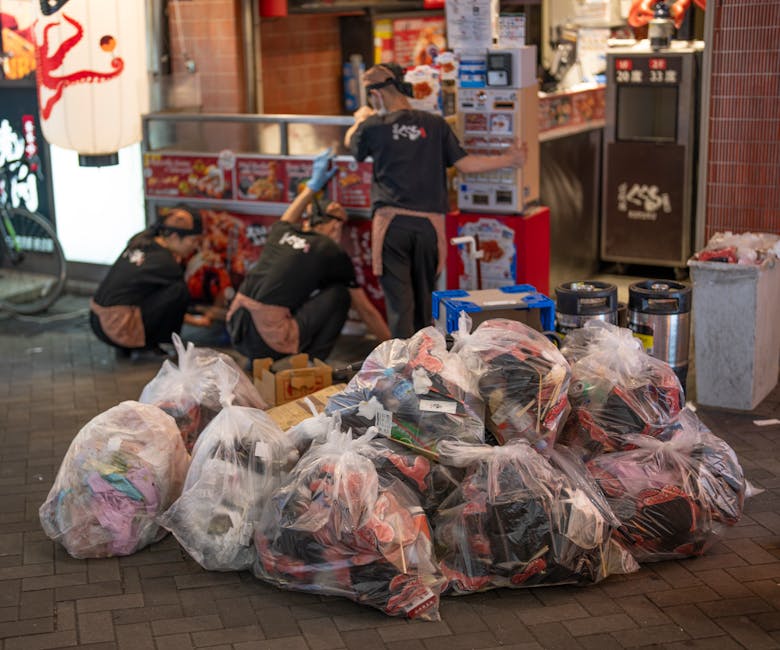
Barking Road Plaistow rubbish removal for local shops

If you run a shop on or near Barking Road in Plaistow, rubbish has a way of piling up at the worst possible moment. One delivery turns into broken packaging, a refit leaves mixed debris, and before you know it the back room is full, the bins are overflowing, and staff are working around bags that should have gone yesterday. That is exactly where Barking Road Plaistow rubbish removal for local shops becomes more than a tidy-up service. It becomes part of keeping the business moving.
This guide breaks down how local shop waste removal works, what it is best for, how to choose the right approach, and what to avoid if you want the job done properly. We will also touch on practical compliance points, pricing considerations, and a few real-world scenarios that come up all the time in busy retail streets. Nothing fluffy. Just the stuff that helps.
Why Barking Road Plaistow rubbish removal for local shops Matters
Local shops do not generate waste in the same way as a household does. There are boxes from stock deliveries, damaged display items, old shelving, food packaging, till-room clutter, occasional clearance waste, and sometimes bulky items that nobody wants to drag through customer areas. On a lively road like Barking Road, even a small amount of waste can quickly affect how the place feels. A neat frontage matters. So does a clean rear yard or storage area.
For shop owners, rubbish removal is not just about appearance, although that matters a lot. It also affects workflow, health and safety, stock rotation, pest control, and how staff move around the premises. A cramped back-of-house area can slow down unpacking, create trip hazards, and make routine tasks feel awkward. To be fair, nobody wants to be lifting a stack of flattened boxes around a sack that should have gone already.
There is also the customer side. People notice more than you think. An overflowing commercial bin, a pile of packaging at the entrance, or a broken fridge waiting in plain sight can send the wrong message, even if the shop itself is well run. Cleanliness reads as professionalism. That is especially true on a busy street where passers-by decide in seconds whether your business feels reliable.
Practical takeaway: for local shops, rubbish removal is not an occasional chore. It is part of maintaining space, safety, and the day-to-day rhythm of trading.
How Barking Road Plaistow rubbish removal for local shops Works
In most cases, shop rubbish removal is straightforward. You identify what needs to go, separate anything sensitive or hazardous, and arrange a collection that fits your opening hours and access constraints. The best services tend to be flexible, because retail does not run on a neat 9-to-5 schedule. Early morning, just after closing, or between deliveries is often the sweet spot.
The collection itself may involve a quick on-site assessment, manual loading, and disposal through the correct route depending on the waste type. Mixed commercial waste, cardboard, furniture, shop fittings, broken appliances, and general bulky rubbish may all need slightly different handling. If you are clearing out a storeroom or replacing fixtures, it may make sense to combine shop waste removal with office clearance or even builders waste clearance if the job involves strip-out debris.
Local businesses often want the process to be simple. That means fewer disruptions, clear pricing, and one team taking responsibility rather than you juggling a van, a skip permit, and two staff members who would rather be serving customers. Sensible, really.
For items like old fridges, display chillers, or other appliances, specialist handling may be needed. The same goes for anything that could be classed as hazardous or hard to dispose of safely. Where appropriate, a responsible provider should separate these items and direct them to the right disposal channel. If you are dealing with that kind of load, it is worth looking at fridge and appliance removal and, where relevant, hazardous waste disposal.
Key Benefits and Practical Advantages
Good rubbish removal does not just clear space. It makes a shop easier to run. Here are the benefits that matter most in a retail setting.
- Better use of storage space: Back rooms should store stock, not a month's worth of cardboard and broken fittings.
- Safer working conditions: Less clutter means fewer trip hazards and fewer awkward lifts.
- Cleaner customer-facing areas: The front of the shop stays presentable, which helps trust and first impressions.
- More efficient stock handling: Staff can receive, sort, and rotate goods without obstacles in the way.
- Reduced stress during refurbishments: If you are changing shelves, counters, or flooring, waste leaves as fast as the work progresses.
- Better waste segregation: Cardboard, metal, furniture, and mixed rubbish are easier to manage when the site is organised.
There is a quieter benefit too: peace of mind. Once the waste is gone, the place feels lighter. You can hear footsteps without crunching over packaging, and you are not stepping sideways every time you open the stockroom door. That sounds small, but on a long week it really matters.
Businesses that want a fuller service can also pair rubbish removal with business waste removal for recurring needs or general waste removal when the load is a little more mixed and routine.
Who This Is For and When It Makes Sense
This kind of service is useful for a wide range of local shops, not just the obvious ones. If your premises generate waste beyond the normal daily bin, there is a good chance you will benefit from arranged removal.
- Convenience stores and corner shops: frequent cardboard, damaged stock, packaging, and occasional bulky items.
- Clothes shops and boutiques: hangers, display units, boxes, packaging, and refit waste.
- Takeaways and food retailers: packaging waste, old fridges, worn kitchen items, and storage clutter.
- Barbers, salons, and beauty shops: old furniture, product packaging, broken equipment, and strip-out waste.
- Phone repair, vape, and specialist retailers: mixed packaging, shelving, counter items, and fit-out debris.
- New tenants taking over a unit: leftover rubbish from the previous occupier is a classic headache, unfortunately.
It also makes sense during seasonal changes. Think pre-Christmas deliveries, January stock resets, summer refits, or the aftermath of a landlord-led upgrade. If you are moving stock around and the shop starts feeling boxed in, that is usually the moment to act. Not when it becomes a health and safety problem. Earlier, ideally.
Some shop owners only call for waste removal once or twice a year. Others need it more often. There is no single right pattern. The right schedule depends on your turnover, storage layout, and whether you have room for a tidy, organised waste area behind the shop.
Step-by-Step Guidance
If you want the process to run smoothly, a bit of preparation goes a long way. Here is a practical way to handle it.
- Walk the site properly. Check the front, stockroom, rear yard, stairwell, and any shared access. Waste is often spread in small pockets, not one big pile.
- Sort the waste into sensible groups. Cardboard, general rubbish, furniture, electrical items, and anything questionable should be separated where possible.
- Flag special items early. Refrigeration units, glass cabinets, confidential paperwork, broken electrics, and anything potentially hazardous need extra attention.
- Measure access and access time. Is there a loading bay? Can a vehicle stop nearby? Will collection need to happen before opening or after closing?
- Get a clear quote. A proper quote should reflect volume, weight, item type, and the difficulty of loading. If a provider cannot explain the basis of the price, that is a smell. Not a good one.
- Prepare the waste for fast loading. Flatten cardboard, place loose rubbish in bags, and keep walkways open.
- Supervise the collection briefly. A few minutes of oversight helps prevent mistakes, especially if you have mixed items or limited space.
- Reset the space immediately after. Once the waste is gone, sweep up, check corners, and decide what should happen next so clutter does not creep back.
If you are also dealing with old chairs, display units, or worn counters, it can help to combine the clearance with furniture disposal or furniture clearance. That way you are not splitting one job into three little annoyances.
Expert Tips for Better Results
Small choices make a big difference with shop waste. In our experience, the smoothest jobs are the ones where the business owner has thought through the practical details, not just the obvious pile of rubbish at the back.
- Keep a permanent waste corner. If you can, create one marked spot for cardboard, broken stock, and outgoing items. It stops the whole store from becoming the waste area.
- Use clear labels for staff. If everybody knows where to put packaging or unusable items, waste builds up in a more organised way.
- Book collections around deliveries. This avoids the awkward overlap of a collection team arriving just as a pallet drops off. Happens more than you'd think.
- Ask about mixed loads before the day. Some jobs are simple. Others are a bit of everything. Mixed waste is normal, but it needs planning.
- Keep confidential materials separate. Papers, customer records, and documents should not be tossed in with general rubbish. If that is part of the job, look into confidential shredding.
- Review how much you throw away each month. A lot of shops are surprised by how much waste comes from packaging alone. Once you see the pattern, planning gets easier.
One slightly old-fashioned but useful trick: take a quick photo of the waste area before collection. It gives you a simple reference for what needs moving and helps confirm the space has been cleared properly afterwards. Nothing glamorous, just effective.
Common Mistakes to Avoid
Most waste headaches come from a few avoidable mistakes. None of them are dramatic on their own, but together they create delays, extra cost, or awkward questions later.
- Leaving waste until it blocks daily operations. If staff have to step over it, the problem has already gone too far.
- Mixing everything together. Cardboard, sharp materials, furniture, and special waste in one pile can make sorting slower and more expensive.
- Underestimating access issues. A collection that looks easy on paper may be harder if there is limited parking, narrow access, or shared entrances.
- Forgetting about electronics and appliances. Old fridges, chillers, or electrical units often need separate handling.
- Assuming all rubbish is the same. It is not. Some items can be reused, some recycled, and some need special disposal routes.
- Choosing on price alone. Cheap is not always cheap if the provider is vague, slow, or careless with loading and sorting.
Another one: not checking what is actually in the pile. Shop waste has a funny habit of collecting surprises. A busted till drawer, an old mirror, a box of mixed cables. You name it. A quick check before booking saves a lot of faff.
Tools, Resources and Recommendations
You do not need fancy systems to manage rubbish well. A few practical tools and habits are usually enough for most Barking Road shops.
- Heavy-duty bin bags and sacks: useful for mixed general waste and smaller clear-outs.
- Cardboard cutters and box openers: help flatten stock packaging so it takes up less room.
- Tape labels or markers: simple, but great for separating waste into clear categories.
- Basic trolley or sack truck: handy for moving boxed waste without repeated lifting.
- Storage crates for reusable items: useful if you are sorting items before disposal or reuse.
- Spare broom, dustpan, and gloves: old-school, yes, but still the backbone of a clean handover.
For businesses that want to understand what can be loaded into a skip versus what should go through a different route, what can go in a skip is a helpful reference point. It is not a substitute for proper advice, of course, but it does help with basic planning.
If your clearance is part of a bigger commercial fit-out or refresh, you may also want to look at builders waste clearance and recycling and sustainability so you can keep the job tidy and avoid sending everything to the same place by default.
Law, Compliance, Standards, or Best Practice
Shop owners do not need to become waste law specialists, but there are a few basics worth respecting. Commercial waste should be handled responsibly, stored safely, and passed to a legitimate collector or disposal route. If you are dealing with businesses, staff, customers, or shared premises, that standard becomes even more important.
Best practice usually includes:
- Keeping waste secured: do not leave loose bags where they can be blown around or accessed by the public.
- Separating hazardous items: anything that could cause harm, contamination, or special handling issues should not be mixed with general rubbish.
- Maintaining clear access routes: fire exits, loading points, and staff walkways should remain unobstructed.
- Using appropriate handling for electrical and appliance waste: fridges, chillers, and similar items are not just bulky; they often need particular care.
- Protecting customer data: paperwork, receipts, and records should be destroyed securely if they are no longer needed.
Many shop operators also ask about insurance and safety. That is a fair question. When a clearance involves lifting, tight spaces, or awkward items, it is sensible to work with a provider that treats site safety seriously. You can review the approach on insurance and safety and also read the company's health and safety policy if you want reassurance before booking.
Recycling is another part of best practice. Cardboard, some metal items, and certain fixtures may be suitable for recovery rather than disposal. That does not mean every job becomes a recycling project. It just means good waste handling should make sensible choices, not lazy ones.
Options, Methods, or Comparison Table
There are a few ways local shops usually handle rubbish. The right method depends on volume, timing, and what kind of waste you have. Here is a straightforward comparison.
| Method | Best for | Advantages | Limitations |
|---|---|---|---|
| Ad hoc rubbish removal | Occasional small clear-outs | Simple, quick, flexible | Can become inefficient if waste builds up often |
| Scheduled business waste collection | Regular waste streams | Predictable and consistent | Less ideal for one-off bulky items |
| One-off shop clearance | Refits, stockroom resets, closure clean-ups | Clears a lot in one visit | Needs careful planning and sorting |
| Skip hire | Longer projects with space to spare | Useful for ongoing on-site fill | Requires space and can be less convenient on busy roads |
| Specialist item removal | Appliances, furniture, or specific waste types | Safer handling for awkward items | May need separate arrangements |
For many Barking Road shops, a combined approach works best. Routine waste is handled one way, and bulky or unusual items get a separate collection. That usually keeps costs and disruption lower than trying to force everything into one system.
Case Study or Real-World Example
Picture a small retailer near Barking Road that has just refreshed its front display and storage layout. The shop has old shelving, flattened cardboard, a damaged counter panel, and a pair of broken display chairs sitting in the stockroom. Nothing dramatic, but enough to make the back of house feel crowded and slightly chaotic.
The owner first tries to move things out slowly, a bit at a time. That lasts about half a day. Then staff need the stockroom space back for deliveries. So the shop books a one-off clearance for early morning before opening. The team sorts cardboard from bulky items, removes the old furniture, and clears the access route in a single visit. The store opens on time. Staff can breathe again. It sounds almost too simple, but that is the point.
What made the job work was not luck. It was a clear list of items, decent access, and the decision to handle the rubbish before it became part of the furniture. Literally, in this case.
If that sort of situation sounds familiar, you are not alone. Shops often wait until waste has become visible to customers or awkward for staff. Once it reaches that stage, the stress tends to spread quickly. The better move is to get ahead of it while the space is still workable.
Practical Checklist
Before you book a collection, run through this quick checklist. It keeps things tidy and saves avoidable back-and-forth.
- Have you listed all rubbish, bulky items, and special items separately?
- Is there enough access for safe loading?
- Do any items need special handling, such as appliances or confidential materials?
- Have you cleared walkways and exit routes?
- Is the waste area dry, visible, and easy to reach?
- Have you chosen a collection time that avoids peak trading or deliveries?
- Do staff know what should stay and what is going?
- Have you checked whether cardboard or other materials can be separated for recycling?
- Is your quote based on the actual amount of waste, not a rough guess?
- Do you know who to contact if the load changes on the day?
If the answer to most of those is yes, you are in good shape. If not, no drama. A few minutes of planning usually sorts it.
Get a free quote today and see how much you can save.
Conclusion
Barking Road Plaistow rubbish removal for local shops is really about keeping a business workable. Clean access, clear stock areas, safer staff movement, and a better first impression all flow from one simple thing: waste being removed properly and on time. For local retailers, that can be the difference between a cramped, stressful week and a smooth one.
The best approach is usually the one that fits your trading pattern, your space, and the type of waste you actually generate. Start with the load you have now, not the ideal one in your head. Then build a routine that makes future clear-outs easier rather than harder.
And if today's pile of rubbish looks bigger than you expected, that is normal. Shops are busy places. Waste builds quietly. But it can be dealt with, cleanly and without fuss. One good clearance often resets the whole room, and sometimes the whole week.
Frequently Asked Questions
What counts as shop rubbish removal on Barking Road?
It usually includes general commercial waste, cardboard, packaging, bulky items, old fixtures, shop furniture, and sometimes appliances or strip-out debris. The exact mix depends on the type of shop and whether the job is a routine clear-out or a one-off clearance.
Is rubbish removal better than hiring a skip for a local shop?
It depends on your space and how much waste you have. Rubbish removal is often better for shops with limited access, busy frontages, or mixed bulky items. Skip hire can work well if you have room and want to load waste over time.
How often should a shop arrange waste removal?
That varies. Some shops need a weekly or monthly clear-out, while others only need it during refits, seasonal changes, or end-of-line stock resets. If waste is affecting storage or safety, the schedule is too slow.
Can I mix cardboard with general shop rubbish?
You can, but it is not always the best idea. Keeping cardboard separate can make recycling easier and may reduce the amount of mixed waste. It also helps the collection run more efficiently.
What should I do with old fridges or display appliances?
These should be handled separately because they are bulky and can require specific disposal arrangements. If you have them on site, mention them before the collection so they can be planned for properly.
Do local shops need to worry about confidential waste?
Yes, if you store receipts, customer details, staff paperwork, or other sensitive documents. Those items should not go into ordinary rubbish. Secure destruction is the safer choice.
How do I prepare my shop for a waste collection?
Flatten cardboard, bag loose rubbish, separate special items, clear access routes, and make sure staff know what is being removed. A little preparation usually saves time on the day.
Can rubbish removal happen outside trading hours?
Often, yes. Early morning or after closing is common for shops because it reduces disruption and keeps customer areas tidy. If access is awkward during the day, this can make a big difference.
What if the amount of waste is bigger than I expected?
That happens quite often, especially after a refit or stock clearance. A good provider should be able to adjust the quote or explain the next best step. It is better to be clear before the van arrives than to improvise badly on the spot.
Is shop waste removal suitable for a one-off clearance after a tenant change?
Absolutely. It is one of the most common reasons shops arrange a clearance. Leftover items from a previous occupier can be awkward, and clearing them quickly helps the next business get started without delays.
What is the safest way to get rid of mixed shop fittings?
Separate what you can, identify anything sharp or heavy, and use a service that can handle mixed commercial waste. If the job also involves fixtures or renovation debris, combining it with a suitable clearance service often works best.
How do I know if my waste provider is being sensible about safety and compliance?
Look for clear communication, proper handling of special items, and straightforward explanations about how the waste will be managed. You should feel informed, not rushed. If you want an extra check, review the provider's safety and process pages before booking.
Can waste removal help my shop look better to customers?
Yes, very much so. A clean frontage and tidy back-of-house area make the whole business feel more organised. It is one of those quiet improvements that people notice without consciously thinking about it.