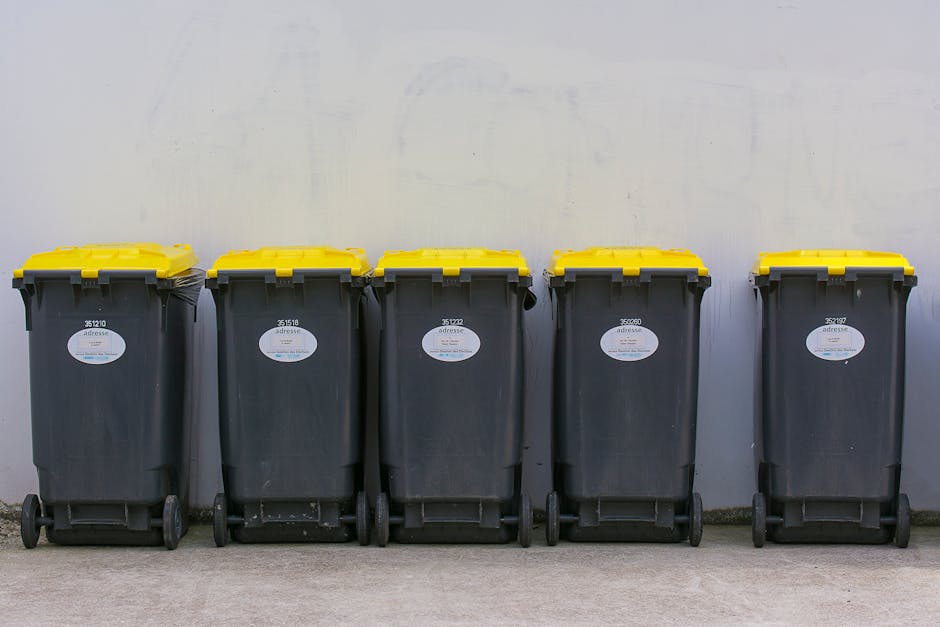
Plaistow E13 Rubbish Collection Guide for Flat Residents
If you live in a flat in Plaistow E13, rubbish collection can feel surprisingly complicated. One day the bins are fine, the next you are dealing with a bulky sofa in a narrow hallway, a missed collection, or a stack of cardboard that will not quite fit into the communal store. This Plaistow E13 rubbish collection guide for flat residents is here to make the process simpler, calmer, and far less messy.
Whether you are renting a one-bed on a busy street, sharing a maisonette, or managing a block with shared bins, the basics are the same: know what can go out, when it can go out, and which waste needs a different route altogether. The good news? Once you understand the system, flat waste collection becomes much easier to manage. Let's break it down properly.
For residents who need help with larger clearances or mixed household waste, services such as flat clearance, waste removal, and home clearance can be a practical next step. Not every situation needs that level of support, of course, but when it does, it saves a lot of lifting and a lot of stress.
Table of Contents
- Why Plaistow E13 rubbish collection guide for flat residents Matters
- How Plaistow E13 rubbish collection guide for flat residents Works
- Key Benefits and Practical Advantages
- Who This Is For and When It Makes Sense
- Step-by-Step Guidance
- Expert Tips for Better Results
- Common Mistakes to Avoid
- Tools, Resources and Recommendations
- Law, Compliance, Standards, or Best Practice
- Options, Methods, or Comparison Table
- Case Study or Real-World Example
- Practical Checklist
- Conclusion
- Frequently Asked Questions
Why Plaistow E13 rubbish collection guide for flat residents Matters
Flat living changes the rubbish game. In a house, you usually control your own bin and your own timing. In a flat, waste collection is often shared, space is tighter, and one person's sloppy habits can affect everyone on the landing. You know the type: a bin store that smells a bit on warm days, bags left beside overflowing containers, or recycling mixed with general rubbish because somebody was in a rush.
That is why a clear rubbish collection routine matters so much for flat residents in Plaistow E13. It is not just about tidiness. It affects hygiene, neighbours, fire safety, access routes, pest prevention, and how easy it is for collection crews to do their job without obstruction. It also matters if you are moving out, decluttering, or dealing with items the regular collection will never take.
Truth be told, the biggest problems usually start with small misunderstandings. Someone assumes the building manager will sort it. Someone else thinks the black sack can wait by the communal door "just for tonight". Then a week later there is a pile-up. The more people in the building, the faster small mistakes snowball.
For residents who need a more complete solution than weekly bin day, it may help to look at flat clearance or furniture disposal when a bulky item is taking up too much space to leave lying around.
How Plaistow E13 rubbish collection guide for flat residents Works
Most flat rubbish collection arrangements follow a simple pattern, even if the details vary from block to block. There is usually a designated bin storage point, a schedule for collection, and some basic rules about what belongs where. In practice, the system only works well when residents follow the same routine consistently.
Here is the usual flow:
- Store waste properly inside your flat. Keep general rubbish, recycling, and food waste separate if your building uses separate streams.
- Use the right containers. Bags, wheelie bins, recycling boxes, or communal containers should be used as intended. Randomly leaving waste on the floor is where trouble begins.
- Take waste down at the right time. If your building has secure access, only place rubbish out when allowed. Early placement can create clutter or invite fly-tipping behaviour.
- Follow communal rules. Some blocks have signage for cardboard flattening, bag tying, or appliance disposal. It sounds fussy, but it avoids chaos.
- Book a separate removal for awkward waste. Bulky items, renovation leftovers, or damaged appliances usually need a different collection method.
That last point is where many residents get stuck. A mattress, broken chest of drawers, old freezer, or bagged clear-out from a loft does not belong in ordinary communal bins. In those cases, dedicated services such as mattress and sofa disposal, fridge and appliance removal, or house clearance are often a better fit.
A small but important detail: if your building has restricted lift access, awkward stairwells, or shared hallways, planning matters even more. A bulky item can be manageable in theory and a nightmare in the real world. One wrong turn on a narrow stairwell and suddenly you are apologising to three neighbours and a wall.
Key Benefits and Practical Advantages
Getting rubbish collection right in a Plaistow flat is not glamorous, but it pays off fast. The benefits show up in daily life, not just on collection day.
- A cleaner communal environment. Shared spaces stay more pleasant, and nobody has to walk past rotting bags on the way home.
- Less pest risk. Food waste, loose packaging, and overflow bins are magnets for problems you really do not want in a flat block.
- Better neighbour relations. People notice when rubbish is handled properly. They also notice when it is not.
- Safer access routes. Clear hallways, bin stores, and entrances reduce fire and trip hazards.
- Faster waste handling. Properly sorted waste is easier to remove, whether that is on collection day or during a one-off clearance.
- Less last-minute panic. If you know the plan, you do not wake up on a Monday morning staring at two full bin bags and nowhere to put them.
There is also a cost angle. If waste is sorted properly and only the right items are removed by a specialist, you are less likely to pay extra for avoidable complications. Clear access, organised loads, and accurate booking all help. For residents comparing options, the pricing and quotes page can be useful for understanding how quotations are usually framed for different kinds of removal.
Expert summary: For flat residents, the best rubbish collection approach is the one that keeps shared spaces clear, separates ordinary waste from bulky items, and avoids unnecessary handling. Simple routine. Fewer headaches.
Who This Is For and When It Makes Sense
This guide is for anyone living in a flat, maisonette, converted building, or shared block in Plaistow E13 who wants a more sensible way of handling rubbish. That includes tenants, leaseholders, landlords, letting agents, and building managers. If you are the person everyone messages when the bin store is full, you will feel this section in your bones.
It makes sense to think beyond normal rubbish collection when you are dealing with:
- moving out of a flat and needing the space cleared quickly
- new furniture arriving and old items needing removal
- a house share where everyone has different rubbish habits
- recycling that keeps spilling out of the communal area
- a bulky item that will not fit in the bin store or lift
- leftover waste after decorating or small repairs
- a fridge, sofa, mattress, or other item that should not be left by communal bins
Sometimes the problem is not the volume of rubbish, but the shape of it. A few bin bags are fine. A dismantled wardrobe in six panels is not. Same with builders' offcuts after a weekend project; they need the right collection route, not wishful thinking. If your project is more renovation than declutter, builders waste clearance is often the more realistic choice.
And yes, sometimes the "rubbish" is really a mix of things: unwanted furniture, old appliances, dusty loft bags, and a few odd bits from under the bed that you forgot existed. Happens all the time. No judgement.
Step-by-Step Guidance
If you want a tidy, low-stress rubbish routine for your flat, follow this process. It is simple, but doing it in order makes a big difference.
1. Identify your waste type
Start by separating what you have into broad groups: general rubbish, recycling, food waste, bulky items, electricals, and anything potentially hazardous. This takes five minutes and saves a lot of guesswork later.
2. Check what your building expects
Every block is a bit different. Some have communal bins. Some have a bin room. Some have timed access. Some, frankly, seem to have been designed by somebody who never had to move a washing basket through a narrow lobby. Look for signage and follow the building's setup rather than assuming.
3. Flatten and bag responsibly
Cardboard should usually be flattened. Bags should be tied securely. Loose waste is messy and wastes space. If you have packaging from a delivery, squash it before you carry it down. Your arms will thank you later.
4. Keep waste inside until the correct time
Where possible, hold rubbish in your flat until near collection time. This helps reduce smells, leaks, and clutter in communal areas. It also avoids giving the impression that the bin store is a free-for-all.
5. Book a specialist removal for awkward items
If the item is too large, too heavy, or not accepted in normal rubbish streams, arrange a dedicated collection. That might include furniture clearance, office clearance for home workers with excess equipment, or loft clearance if you have accumulated years of stored odds and ends.
6. Prepare access before collection
Clear corridors, unlock gates if needed, and make sure the route is free. If you are in a flat, access planning matters more than people expect. A crew can only work efficiently if they can actually reach the item without squeezing through five obstacles and a rogue pram.
7. Confirm what happens after collection
Ask how the waste will be handled, especially if it includes reusable or recyclable material. Residents often want reassurance that useful items will not just be dumped. That is fair. If sustainability is important to you, the recycling and sustainability page is a good place to understand the approach in more detail.
Expert Tips for Better Results
Over time, a few habits make flat rubbish collection much easier. None of them are fancy. They just work.
- Keep one small "sorting station" inside your flat. A spare bag, basket, or box for recycling and small waste helps stop clutter spreading across the kitchen.
- Do a weekly reset. A ten-minute tidy before bin day is often enough to stop the flat from feeling cramped.
- Break down bulky packaging straight away. Big boxes from furniture deliveries can eat half a room if you leave them standing upright.
- Separate mixed waste early. If you wait until the morning of collection, you will end up throwing everything into one bag just to get it out the door.
- Label what is being kept and what is going. This matters during moves and clear-outs, especially in shared flats where items get moved around.
- Use a practical removal service for awkward waste. If you already know an item will be a headache, deal with it once and move on.
A good rule of thumb? If the waste needs two people, a trolley, and a bit of imagination, it probably does not belong in ordinary bin day. That is when a dedicated collection becomes the sensible route.
Also, do not underestimate smell. In summer, even one forgotten food bag can make a whole hallway feel unpleasant by the afternoon. That little detail changes the mood of a building fast.
Common Mistakes to Avoid
Most rubbish problems in flats come from a handful of repeat mistakes. The good news is that they are easy to avoid once you know what to look for.
- Leaving rubbish beside communal bins. This is one of the quickest ways to create mess, attract pests, and frustrate neighbours.
- Mixing recyclables with general waste. It may seem harmless, but it makes disposal less efficient and can contaminate the whole load.
- Ignoring access rules. If your block has collection windows or gate codes, use them properly. A missed detail can stop the whole process.
- Putting bulky items out without checking. Sofas, mattresses, fridges, and broken appliances usually need separate handling.
- Overfilling bags. Overstuffed bin bags split. Then you are left with tea bags on the pavement and a very bad morning.
- Assuming someone else will sort it. In shared buildings, that assumption is risky. Sometimes it leads to the classic "not my bag" standoff. Not ideal.
If you are dealing with items that need special handling, you may also want to look at hazardous waste disposal for anything potentially unsafe. It is better to pause and check than to dump the wrong thing in the wrong place.
Tools, Resources and Recommendations
You do not need complicated equipment to manage flat rubbish well. A few simple tools can make the job much easier.
| Tool or resource | Why it helps | Best use case |
|---|---|---|
| Heavy-duty bin bags | Reduce splitting and leaks | General household waste |
| Cardboard cutter or strong scissors | Makes boxing and flattening easier | Delivery packaging and moving boxes |
| Reusable storage crates | Keeps sorting neater | Flats with limited storage |
| Sticky labels or marker pen | Helps identify what is being kept or removed | Moves, clear-outs, shared homes |
| Gloves | Useful for dusty, sharp, or awkward items | Lofts, garages, or general tidying |
| Specialist collection service | Removes items too large for normal bins | Furniture, appliances, bulky waste |
If you are comparing what can go where, the what can go in a skip guide is useful even if you are not ordering a skip. It gives a straightforward sense of what is usually accepted and what needs separate handling.
For residents trying to organise a more complex clear-out, a sensible combination of services is often best. For example: furniture via furniture disposal, old appliances via appliance removal, and mixed clutter via waste removal. That approach keeps the job tidy and avoids overcomplicating one truckload.
Law, Compliance, Standards, or Best Practice
For flat residents in Plaistow E13, the main compliance issue is usually common-sense best practice rather than anything dramatic. Still, rubbish must be managed carefully, especially in shared buildings. Waste should be stored, separated, and presented in a way that does not create obstruction, nuisance, or avoidable risk.
In practical terms, that means:
- not blocking fire exits, stairwells, or communal corridors
- not leaving waste where it can leak, spill, or spread
- not placing prohibited items in ordinary bins
- using proper disposal routes for electrical items, appliances, and bulky waste
- following the building's own waste rules where they exist
If you are a landlord, managing agent, or resident with responsibility for a shared building, it is wise to keep the bin area orderly and to act quickly when rubbish starts accumulating. The standard is simple: avoid nuisance, avoid hazard, and keep the shared environment usable.
Where specialist removal is needed, it also helps to use a provider that treats safety and handling properly. Pages such as health and safety policy, insurance and safety, and payment and security can help reassure you about process and expectations before booking.
Options, Methods, or Comparison Table
Choosing the right rubbish solution depends on the type of waste, how much of it you have, and how quickly it needs to go. Here is a simple comparison to help you think it through.
| Method | Best for | Pros | Limits |
|---|---|---|---|
| Normal communal bin collection | Everyday household waste | Simple, routine, low effort | Not suitable for bulky or special waste |
| Self-haul to the bin store | Small amounts of rubbish and recycling | Quick for daily use, no extra booking | Can become messy if overused or mis-sorted |
| Flat clearance | Full or partial flat clear-outs | Handles mixed items and furniture | More involved than standard bin use |
| Furniture disposal | Single or multiple large items | Useful for sofas, tables, wardrobes | Not ideal for hazardous or mixed waste |
| Appliance removal | Fridges, freezers, washing machines | Safer for heavy electrical items | Needs specific handling |
| General waste removal | Bagged waste, clutter, mixed household waste | Flexible and practical | Not always the cheapest route for tiny loads |
To be fair, most flat residents need a blend of methods rather than one perfect answer. A weekly routine for ordinary rubbish, plus a one-off removal for the awkward stuff, is usually the sweet spot.
Case Study or Real-World Example
Imagine a two-bed flat in Plaistow E13 shared by three adults. Over a few months, the place has quietly accumulated a broken coffee table, a folded mattress in the spare room, six delivery boxes, and several bin bags of old clothes and paperwork. Nothing is outrageous on its own. Together, though, it is starting to feel cramped.
The residents first try to manage everything through the communal bins. That works for the small bags, but the mattress is still leaning in the hallway, the boxes are taking up bedroom space, and the bin store is filling up faster than expected. By the time the weather turns warmer, it is all getting a bit much.
In a situation like this, the smart move is to separate the waste. Small bags go with ordinary collection, the mattress is arranged through mattress and sofa disposal, and the remaining bulky clutter is handled through flat clearance. That solves the immediate problem without forcing everything into one overcomplicated attempt.
The noticeable change is not just that the rubbish disappears. The flat feels lighter. The hallway stops being an obstacle course. And the residents stop stepping around things every morning, which honestly makes a bigger difference than people expect.
Practical Checklist
Use this before collection day or before booking a larger removal service.
- Sort rubbish into general waste, recycling, food waste, bulky items, and special items
- Flatten cardboard and remove obvious loose packaging
- Tie bin bags securely and avoid overfilling them
- Check your building's bin rules and collection timing
- Keep waste inside until it is ready to go
- Make sure communal access routes are clear
- Separate furniture, appliances, and anything sharp or awkward
- Book a specialist service for bulky, heavy, or mixed waste
- Confirm payment, access, and timing before the collection
- After removal, check the area is clean and usable again
Quick reality check: if you cannot lift it comfortably, carry it safely, or fit it through the building without a struggle, it is probably time to stop improvising.
Conclusion
Rubbish collection for flat residents in Plaistow E13 is really about control: control of clutter, control of timing, and control of how waste moves through shared spaces. Once you build a simple routine, the whole thing becomes much less annoying. And that matters in a flat, where every bit of space counts and every mistake seems to echo through the building.
For everyday waste, keep it sorted and steady. For bulky items, move early and choose the right disposal route. For mixed clear-outs, furniture, appliances, or awkward items, use a service that can handle the load properly. That approach keeps your flat cleaner, your neighbours happier, and your weekends less chaotic. Small win, but a real one.
If you are ready to clear space without the hassle, take the next step now and get organised before the clutter gets another chance.
Get a free quote today and see how much you can save.
Frequently Asked Questions
What is the best rubbish collection option for flat residents in Plaistow E13?
The best option depends on the type of waste. Everyday household rubbish should go through your normal bin collection, while bulky items, appliances, and mixed clear-outs usually need a specialist service such as flat clearance or waste removal.
Can I leave rubbish outside my flat door for collection?
Usually, no. Leaving rubbish in corridors or shared hallways can cause obstruction, hygiene issues, and complaints from neighbours. It is better to use the approved bin area or arrange a proper removal service.
What should I do with a sofa or mattress from a flat?
Sofas and mattresses should normally be handled separately from general rubbish. A dedicated service such as mattress and sofa disposal is the safer, cleaner route.
How do I deal with old appliances in a flat?
Fridges, freezers, washing machines, and similar items should not be dumped in communal bins. Use appliance removal so the item can be handled safely and collected without damaging shared areas.
Is flat clearance only for full moves?
No, not at all. Flat clearance can be used for partial clear-outs too, such as one room, a storage space, or a mix of unwanted household items after a declutter.
What if my building has a small bin store and the bins are always full?
That is common in shared buildings. Try to reduce bag volume, flatten packaging, and avoid placing waste out too early. If the issue is persistent, a one-off waste removal can help clear the pressure.
Can I mix recycling with general rubbish if I am short on time?
It is better not to. Mixing waste can reduce recycling rates and create mess in the bin store. A few extra seconds of sorting now usually saves a bigger problem later.
How do I know if waste is too bulky for normal collection?
If the item is large, heavy, awkward to move, or not accepted in communal bins, it is probably too bulky. Furniture, mattresses, and appliances are the most obvious examples.
What should landlords or managing agents do about rubbish problems in flats?
They should keep bin areas clear, make the rules easy to understand, and deal quickly with persistent overflow or fly-tipping. Regular communication helps more than people think.
Are there safety concerns with rubbish in communal areas?
Yes. Waste left in walkways or stores can create trip hazards, block access, attract pests, and increase fire risk. Shared spaces should stay clear and usable.
What is the simplest way to prepare for a one-off clear-out?
Sort items into keep, donate, recycle, and remove. Then separate furniture, appliances, and ordinary rubbish. If you have a mixed load, a service like home clearance or flat clearance is usually easiest.
Where can I learn more about how waste is handled?
You can review the site's recycling and sustainability information, along with practical pages such as what can go in a skip and pricing and quotes, to understand how different waste types are typically managed.
Sometimes the cleanest flat is just one good decision away. That is the nice part, really.