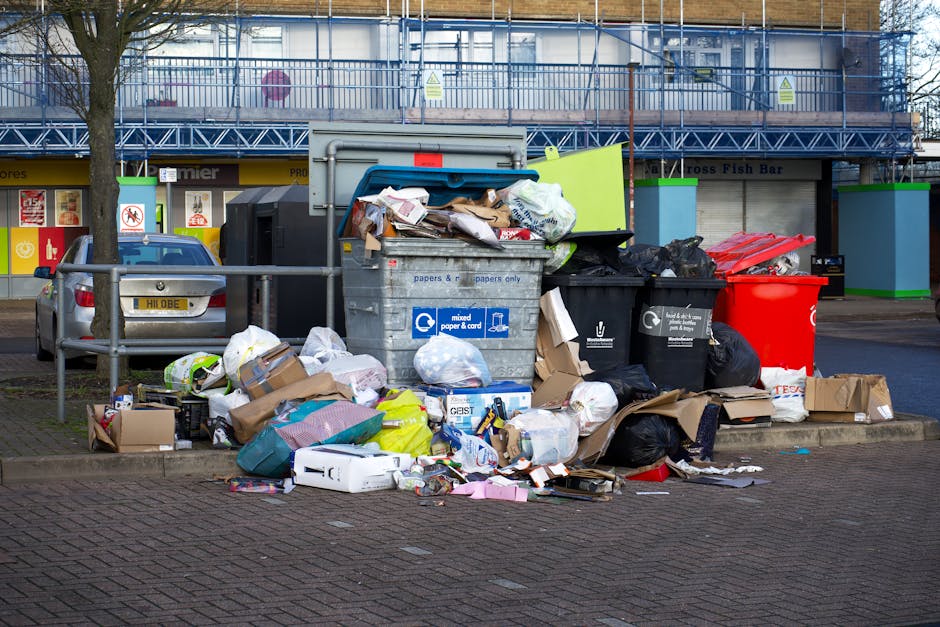
Plaistow estate rubbish collection guide E13
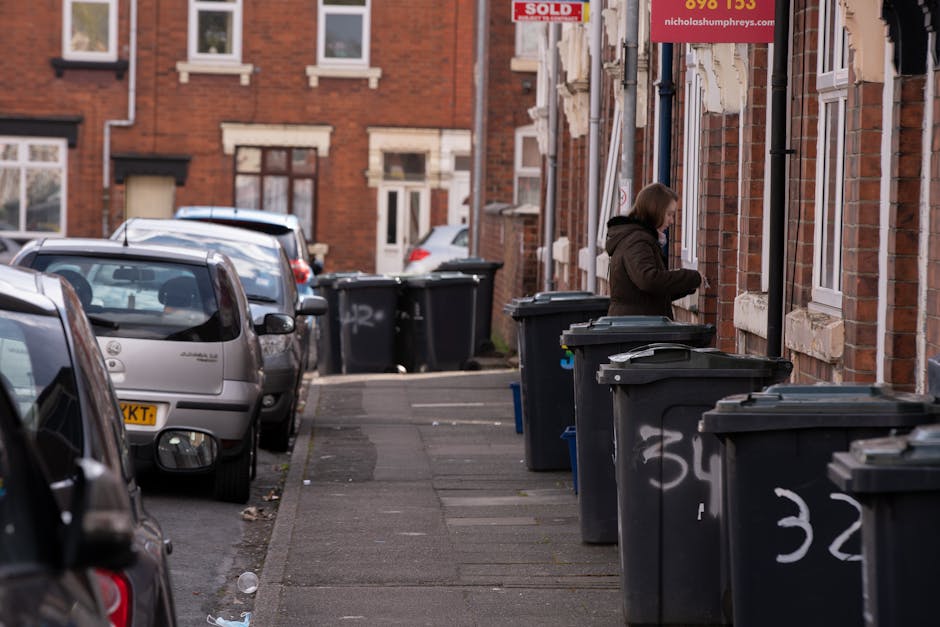
If you live on an estate in Plaistow, you already know rubbish can go from manageable to messy very quickly. One bin bag left in the wrong spot, a broken wardrobe in a stairwell, or a pile of builder's waste after a flat refresh, and suddenly the place feels cluttered, awkward, even a bit stressful. This Plaistow estate rubbish collection guide E13 is here to make the whole process clearer, safer, and a lot less frustrating.
Whether you are a tenant, leaseholder, managing agent, landlord, or simply helping a neighbour sort out unwanted items, the basics are the same: know what needs removing, check what cannot be dumped casually, and choose a method that fits estate access, timing, and safety. That sounds simple enough, but in real life it often isn't. Lifts are small, stairwells are shared, and bulky waste never seems to be bulky at a convenient time, does it?
In this guide, you will find a practical walkthrough of how estate rubbish collection usually works in E13, the benefits of doing it properly, the most common mistakes to avoid, and the best way to plan a smooth clearance from start to finish.
Expert summary: the best estate rubbish collection plans are the boring ones in the good sense. They are organised, well timed, clearly communicated, and matched to the type of waste you actually have. Get those basics right and everything becomes easier.
Why Plaistow estate rubbish collection guide E13 Matters
Estate rubbish collection is not just about getting rid of things. It is about keeping shared spaces usable, preventing obstruction, and making sure waste is handled in a way that respects neighbours, access routes, and local standards. On estates in E13, this matters even more because communal areas tend to work on a shared responsibility basis. One person's "I'll leave it there for later" can quickly become everyone's problem.
There is also a trust issue. If rubbish is left beside a communal bin store or in a hallway, it can attract complaints, unpleasant smells, pest problems, and unnecessary conflict between residents. People do notice. And when they do, it tends to be the kind of thing they remember.
For landlords, housing associations, and managing agents, a reliable collection approach protects the reputation of the building and reduces the odds of avoidable callouts. For residents, it simply means fewer headaches and less time spent nudging awkward items down narrow corridors at 7.30 in the morning.
Done properly, estate rubbish collection is calm, discreet, and efficient. That is the real goal. Not just removal, but order.
How Plaistow estate rubbish collection guide E13 Works
The process usually starts with identifying the type and volume of waste. This matters because a few black bags, a broken chest of drawers, and a load of renovation rubble are all handled differently. In practical terms, the more clearly you describe what needs taking away, the easier it is to choose the right clearance method.
For estate collections, access is often the deciding factor. Can a truck get close to the block? Is there a lift? Are there loading restrictions, permit requirements, or estate rules about parking and timings? These details change how the job is planned and how long it takes on the day. Truth be told, access can matter more than the waste itself.
Most collection jobs follow a simple pattern:
- You identify the waste and the location.
- You check access, timing, and any building rules.
- You book the right collection service or vehicle size.
- The items are removed safely from the flat, store, or communal area.
- The waste is sorted for reuse, recycling, or disposal where appropriate.
If the job includes mixed items, it helps to separate obvious categories first. Furniture, appliances, garden waste, builders' rubble, and confidential paper all have different handling needs. For example, if you have an old sofa and a fridge to clear, it is worth looking at sofa and mattress disposal alongside fridge and appliance removal options, because bulky items often need a more tailored approach than general rubbish.
Estate work also benefits from clear communication. If the waste is on a floor above ground level, if there are access codes, or if items must be moved through shared corridors, those details should be shared early. It saves time, but more importantly, it avoids awkward surprises on the day. Nobody likes discovering the lift is out of service once the team is already on site. Been there, and it's never fun.
Key Benefits and Practical Advantages
The strongest benefit is probably peace of mind. A well-planned collection removes clutter without turning the estate into a temporary dumping ground. That sounds obvious, yet plenty of clearance jobs go wrong because someone assumed they could just "sort it out on the morning".
Other practical advantages include:
- Safer communal areas: fewer trip hazards, blocked exits, and unstable piles of waste.
- Better neighbour relations: cleaner shared spaces reduce complaints and tension.
- Faster turnaround: a clear plan means less back-and-forth and less waiting around.
- Better recycling outcomes: separated waste is easier to route correctly.
- Less disruption: efficient collection reduces noise, time on site, and repeated handling.
There is also a financial upside. When waste is described accurately, the right vehicle and crew can be assigned first time, which often avoids wasted visits or rebooking. That does not mean every job is cheap, of course, but it does help keep the job sensible rather than messy and expensive.
For buildings with recurring waste issues, an organised clearance routine can also prevent larger clean-ups later. A little consistency goes a long way. A bit dull, perhaps, but very effective.
Who This Is For and When It Makes Sense
This guide is useful if you are dealing with one-off rubbish, end-of-tenancy clutter, or regular estate maintenance waste. It is also relevant if you are managing a flat clearance after a move, or dealing with bulky items that simply will not fit in a standard bin area.
Typical situations include:
- Residents clearing unwanted furniture after a move
- Managing agents arranging communal clearance
- Landlords preparing a property between tenancies
- Builders or tradespeople dealing with renovation waste
- Households sorting loft, garage, or home clutter
- Small businesses operating from estate-based premises
It makes sense to plan a collection when waste is too large, too mixed, or too awkward for ordinary bin disposal. If you are left with old cupboards, broken shelving, packaging, and a few bags of general rubbish after a flat refresh, a dedicated clearance is usually easier than making ten separate trips. To be fair, most people have better things to do with their evening than hauling a broken table across an estate car park.
Some situations are especially worth handling carefully, such as when waste includes sharp edges, heavy lifting, confidential paperwork, or items that may need special disposal. In those cases, a more specialised service is a better fit than a basic kerbside tidy-up.
Step-by-Step Guidance
If you want the smoothest possible estate rubbish collection in E13, a little structure helps. Here is the simplest way to approach it.
1. Sort the waste by type
Separate general rubbish from furniture, appliances, builders waste, and anything that might need special handling. This makes the job clearer and reduces the risk of delays on site.
2. Check access and restrictions
Look at parking, lift access, stair width, loading bays, concierge rules, and any estate-specific time restrictions. If the waste is in a top-floor flat, mention that upfront. It changes the plan quite a bit.
3. Decide what should be removed
Be precise. "Some clutter" is not a very helpful brief. "Two wardrobes, three black bags, a broken microwave, and loose packaging" is much better. The clearer you are, the more accurate the collection can be.
4. Prepare the items
If possible, place loose waste together and make sure items are ready to move. Remove obvious personal items from drawers or cupboards before collection. If you have confidential material, use a dedicated service such as confidential shredding rather than mixing it into general rubbish.
5. Book a suitable collection
Choose a service that matches the type and volume of waste. For mixed household items, waste removal may be enough. For larger property clearances, services like home clearance, house clearance, or flat clearance may be more appropriate.
6. Keep the route clear on the day
Move bicycles, pushchairs, mats, and other obstacles out of the way. If crews have to keep stopping and shuffling items around, the job takes longer and becomes more stressful for everyone.
7. Confirm where the waste is going
Good practice is to prioritise reuse and recycling where possible. If sustainability matters to you, look at the provider's recycling and sustainability approach before you book.
Expert Tips for Better Results
First, do not underestimate how much access affects a job. A collection from a ground-floor bin store is a very different proposition from a fourth-floor flat with a narrow stairwell and a grumpy parking restriction. The waste volume might be the same, but the labour is not.
Second, group similar items together before collection day. If you have furniture, loose rubbish, and garden waste all mixed in one room, it is harder to load efficiently. A few minutes of sorting can save a lot of backtracking later.
Third, when in doubt, photograph the waste before booking. A few clear pictures can help avoid misunderstanding and make the plan more realistic. It also gives everyone a better sense of scale. People are not always as good at estimating a pile as they think they are. That old "it's only a few bits" line has caused many a surprise.
Fourth, if you are dealing with awkward items, mention them early. Mattresses, sofas, appliances, broken shelves, and damp cardboard all affect handling and disposal. For furniture specifically, you may find furniture disposal or furniture clearance more fitting than a generic waste job.
Finally, keep the timing sensible. Estate work often runs more smoothly earlier in the day, before parking gets busy and shared spaces fill up. If noise is a concern, a quieter window can also reduce friction with neighbours.
Common Mistakes to Avoid
The biggest mistake is leaving everything until the last minute. That usually leads to rushed decisions, poor access planning, and avoidable delays. Another common problem is mixing everything together and hoping the crew can sort it on arrival. They can sort a lot, yes, but not magic.
Other mistakes include:
- Underestimating weight: bags can be heavier than they look, especially with rubble or wet waste.
- Ignoring access rules: estate parking and loading restrictions matter.
- Forgetting special items: appliances, fridges, and hazardous materials need separate thought.
- Leaving waste in communal walkways: this creates safety and nuisance issues.
- Not checking what is included: clarity up front avoids awkward disputes later.
One simple habit helps a lot: make a short list of everything you want removed and tick it off room by room. It sounds almost too basic, but on busy days basic is exactly what works.
Tools, Resources and Recommendations
You do not need much to organise an estate rubbish collection well, but a few practical tools make life easier.
- Phone camera: useful for taking clear photos of the waste and access points.
- Measuring tape: handy if you are dealing with bulky furniture, appliances, or tight hallways.
- Checklist: helps you avoid forgetting items in storage cupboards, lofts, or balconies.
- Labels or bags: useful for separating general rubbish, recycling, and items for specialist disposal.
- Building access notes: keep codes, restrictions, and contact details together in one place.
If you are comparing service types, it can help to read pages that explain specific waste streams. For example, builders waste clearance is the better fit for renovation debris, while garden clearance works better for outdoor cuttings, soil, and green waste.
If the job is more about whole-room or whole-property clearing, explore loft clearance, garage clearance, office clearance, or business waste removal depending on the setting. That way, you are matching the service to the reality of the job, not the other way around.
Law, Compliance, Standards, or Best Practice
For rubbish collection in communal housing, compliance is mostly about common sense done properly. You want waste handled legally, safely, and in a way that does not create nuisance or risk for others. In the UK, that usually means using a responsible waste carrier, keeping mixed waste under control, and making sure hazardous items are not left to chance.
For residents and landlords alike, the practical best practice is simple: do not place items where they block access, fire routes, or shared entrances. It is also wise to keep a record of what was removed, particularly for larger clearances or tenant changeovers. That is not being fussy. It is just sensible.
If a job involves potentially hazardous materials, damaged electrical items, or anything that could leak, spill, or cause injury, it needs extra care. Hazardous waste disposal should be treated as a separate conversation, not an afterthought. The same goes for safety planning more generally; a provider's health and safety policy and insurance and safety information should give you confidence that the job is being handled responsibly.
For anyone concerned about payment clarity, collection terms, or booking expectations, it is worth reviewing pricing and quotes and terms and conditions before confirming anything. A little reading now avoids a lot of frustration later. That part is rarely glamorous, but it matters.
Options, Methods, or Comparison Table
There is more than one way to clear estate rubbish, and the right choice depends on the amount, type, urgency, and access.
| Method | Best for | Pros | Watch-outs |
|---|---|---|---|
| Self-clearance | Very small volumes, light items, occasional bags | Low direct cost, flexible timing | Time-consuming, awkward for bulky items, several trips |
| Bulk waste collection | Single bulky items or a moderate pile | Simple, efficient, less lifting for the resident | Access must still be workable; not ideal for mixed clearances |
| Full clearance service | Flats, homes, estate voids, mixed waste | Fast, organised, suitable for larger jobs | Needs accurate planning and clear item lists |
| Specialist disposal | Appliances, hazardous items, confidential material | Safer and more compliant | Must be booked separately or highlighted in advance |
In practice, a lot of people start with self-clearance and then realise the time, lift access, and bag weight make it a pain. Fair enough. That is when a dedicated clearance becomes the better option. It is less about spending more and more about buying back your Saturday.
Case Study or Real-World Example
Picture a typical Plaistow estate flat after a tenancy ends. The living room has a broken sofa, a small table, a few bags of mixed rubbish, and a fridge that no one wants to deal with. The stairwell is narrow, the lift is shared, and the estate has a tidy, no-clutter policy around entrances.
In a situation like that, the smartest approach is to split the job into categories before anyone arrives. The sofa and table go under furniture removal, the fridge is handled separately, and the mixed rubbish is kept together in manageable bags. Access details are shared in advance, including whether there is a parking space close enough for loading and whether the removal team needs a call on arrival.
The result is usually a much quicker, calmer collection. No one is dragging items back and forth. Neighbours are not forced to step around clutter. And the property is ready for cleaning or handover without that half-finished feel you sometimes get when a job has been rushed. It is a small example, but it reflects the way these clearances work in real life.
Practical Checklist
Use this checklist before collection day. It keeps things tidy and reduces the chance of mistakes.
- List every item or bag that needs removing
- Separate general rubbish from furniture, appliances, and special waste
- Check lift access, stairs, parking, and entry rules
- Confirm whether any items need specialist disposal
- Take photos of bulky or awkward waste if helpful
- Remove personal items from drawers, cupboards, and storage boxes
- Keep communal routes clear where possible
- Make sure someone is available if access codes or keys are needed
- Review pricing, booking terms, and safety information before confirming
- Plan a final sweep of the area after collection
Quick tip: if the job looks bigger than you first thought, pause and re-check the list. A ten-minute reset can save an entire afternoon.
Conclusion
A good estate rubbish collection in Plaistow is really about respect: respect for shared spaces, respect for neighbours, and respect for your own time. When waste is planned properly, the whole process feels simpler. Less chaos, fewer surprises, and a cleaner finish. That is what most people want, even if they only say it after the job is done.
If you are dealing with a flat, house, estate void, or communal clean-up in E13, start with the waste type, check access early, and choose the right collection method rather than the quickest-sounding one. Small decisions make a big difference here. Honestly, they do.
For anyone ready to move forward with a clean, straightforward clearance, the next step is easy.
Get a free quote today and see how much you can save.
Frequently Asked Questions
What is estate rubbish collection in Plaistow E13?
It is the organised removal of unwanted waste from a shared or estate-based property, usually with attention to access, communal spaces, and safety.
How do I know if I need a full clearance or just waste removal?
If you only have a few bags or one bulky item, general waste removal may be enough. If you are clearing multiple rooms, a flat, or a full property, a fuller clearance is usually more practical.
Can furniture be collected from a flat on an estate?
Yes, as long as access is workable. It helps to mention stairs, lifts, narrow hallways, and any parking limitations before the collection is booked.
What items should be handled separately?
Appliances, fridges, mattresses, sofas, confidential documents, and anything potentially hazardous should be flagged separately rather than mixed into general rubbish.
Is it better to sort waste before collection day?
Usually, yes. Sorting waste by type makes loading easier and helps avoid confusion about what is being removed.
What should I do with confidential paperwork?
Use a dedicated confidential shredding service instead of placing sensitive documents into ordinary waste bags.
How can I reduce the cost or hassle of collection?
Be accurate about what needs removing, keep access clear, and group similar items together. That usually makes the job more efficient.
Can builders waste be removed from an estate property?
Yes, but it should be described clearly as builders waste so the right equipment and handling plan can be used. Loose rubble and mixed renovation debris are not the same thing.
What if I have a fridge or other appliance to dispose of?
Appliances are best handled through a service that deals with them specifically, especially if they are large, awkward, or contain components that need careful removal.
Are there rules about leaving waste in communal areas?
Yes, communal spaces should stay clear and safe. Waste left in corridors, entrances, or walkways can create nuisance, access problems, and safety risks.
How far in advance should I plan an estate rubbish collection?
As soon as you know what needs moving. Even a simple job goes better when access, timing, and item details are sorted early.
Where can I find more help with planning a clearance?
It can be useful to review related pages on service types such as home clearance, office clearance, and recycling and sustainability so you can match the service to the job more confidently.